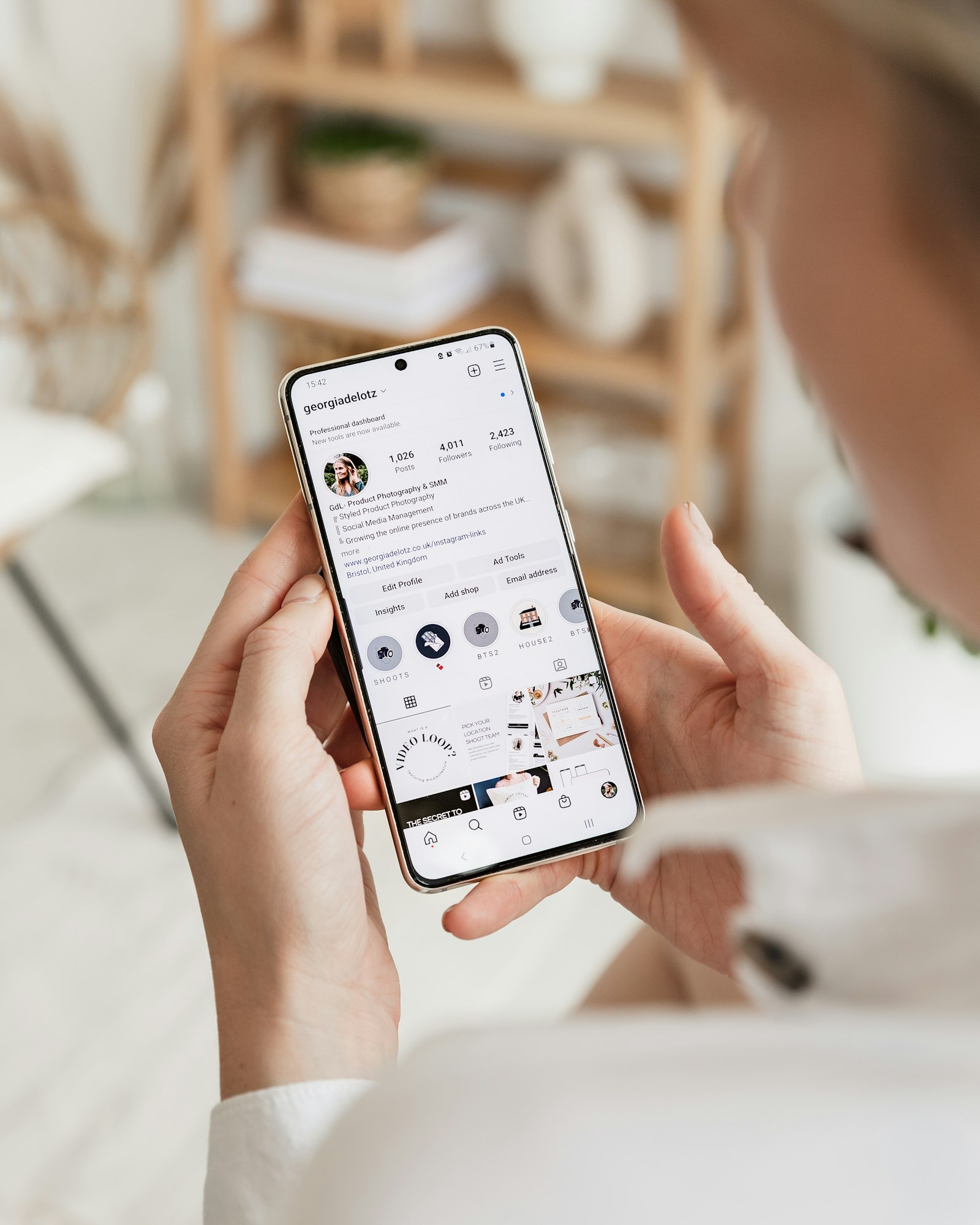
As a rough guide, a follower-to-following ratio above 1.0 looks healthy, meaning you have more followers than accounts you follow. Above 2.0 starts to signal genuine influence, and established creators often sit well beyond that. But the ratio is a vanity metric with real limits, and chasing it blindly leads to bad decisions. Here is what the number actually tells you.
How the ratio is calculated
It is simple: divide your follower count by the number of accounts you follow.
- 1,000 followers and 500 following gives a ratio of 2.0
- 1,000 followers and 2,000 following gives a ratio of 0.5
A ratio under 1.0 means you follow more people than follow you back. That is normal for a new or growing account, and nothing to panic about.
What counts as a good ratio
There is no single right number, but rough bands help:
- Below 1.0: common for new accounts and heavy engagers. Fine early on.
- 1.0 to 2.0: balanced and healthy for most personal and small creator accounts.
- Above 2.0: signals that people seek you out more than you seek them. Typical of creators with real pull.
Context matters more than the raw figure. A niche expert with 3,000 engaged followers is in better shape than someone with a 5.0 ratio built on bought followers. The deeper mechanics are in the pillar guide, your Instagram follow ratio and how to improve it.
Why chasing the ratio is a trap
The fastest way to improve your ratio is to mass-unfollow everyone who does not follow you back. That can help, but done carelessly it backfires:
- Aggressive unfollowing can trip Instagram's spam limits. Pace it, as covered in is it safe to mass unfollow.
- Cutting people purely for the number can cost you real connections and mutuals.
- A high ratio inflated by ghost followers is a worse position than a lower ratio of engaged, real people.
The healthier way to improve it
Improve the ratio as a byproduct, not a goal. Trim accounts you follow that add nothing and do not follow you back, keep the mutuals and the people you genuinely want in your feed, and let real followers accumulate through good posts.
To do the trimming cleanly, you need to see who does not follow you back. WhoUnfollowed shows that list from your own Instagram export, with no password and nothing sent to a server. You decide who to keep and who to drop, and your ratio moves on its own.