A brand slides into your DMs about a paid post. You're excited, you start drafting a reply, and somewhere in there a less fun thought shows up: brands run their own audits before they sign anything now. You don't actually know what a stranger's audit tool would say about your follower list. Better to find out yourself, on your own terms, before someone else does.
Why This Is Worth Doing Before They Ask
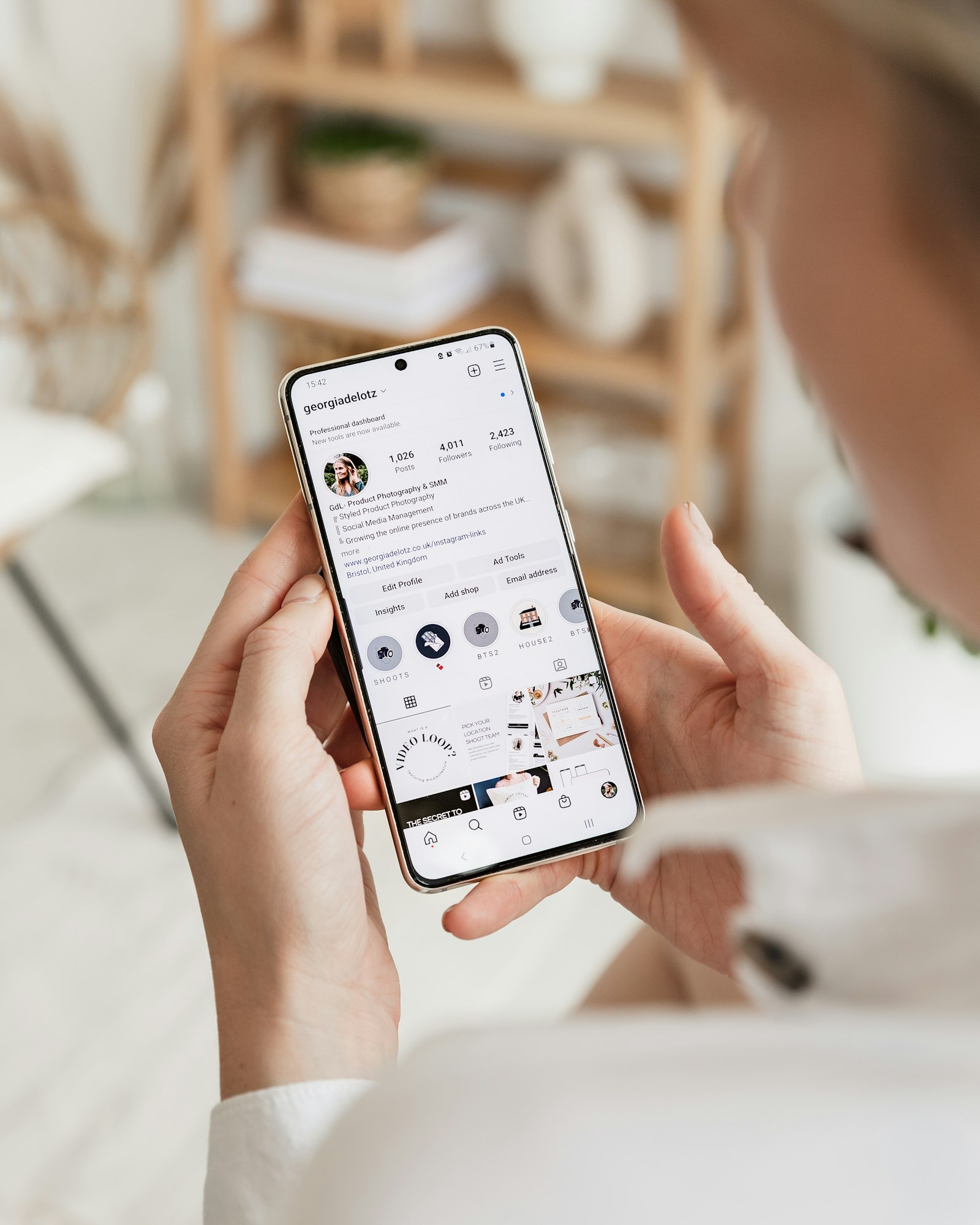
Nobody signs a five-figure influencer contract off a follower count alone anymore. Agencies and in-house marketing teams routinely run their own checks on an audience before money changes hands, and a chunk of them build a fraud audit into the contract terms directly. You may already have some visibility into your own audience through Instagram's Professional Dashboard, which surfaces where your followers are located and when they're active. That's a useful start, but it wasn't built to answer the specific question a brand is actually asking: is this growth real, or did some of it come from somewhere it shouldn't have.
What "Real" Actually Means Here
Not every quiet, non-engaging follower is a problem. Plenty of real people follow an account and never like or comment; they read and scroll on. That's normal and it isn't what a fraud audit is hunting for. What actually raises flags is a specific pattern: a batch of accounts that all followed within the same day or two, unconnected to anything you posted, especially if that batch happens to land right before your numbers would have looked good for a pitch. Old follow-for-follow swaps from an earlier growth phase leave exactly this kind of fingerprint, even years later.
The Self-Audit, Step by Step
The pattern you're looking for shows up in timing, not just in who's on the list.
| Signal | What it suggests |
|---|---|
| A large cluster of follows on the same day, unconnected to a viral post | Possible bought or swapped batch |
| A long list of non-reciprocal follows that never engaged, spread across your history | Ghost followers, inactive rather than fake |
| A steady trickle of new followers spread across weeks, roughly tracking your posting | Organic growth, the healthiest pattern |
You can only see this by looking at timestamps, and Instagram's own app doesn't hand you a dated followers list anywhere in the interface. Under GDPR Article 20, Instagram is required to give you a full copy of your own data on request, including exactly when each follow happened. Export it, do it again a few weeks later, and upload both to WhoUnfollowed. It reads the files in your browser and lays out your new followers by date, so a cluster from three years ago is as visible as one from last week.
Do It Yourself Before a Brand Does
The upside of running this check on your own terms is catching a problem while it's still just information, not a stalled deal you never get an explanation for. A brand that quietly walks away after their own audit rarely tells you why. Handing your login to a third-party "audience audit" tool to find out isn't a great trade either, since that's the exact same risk password-based follower trackers already carry. The export-based version answers the same question without giving anyone your credentials.
What a Clean Audit Actually Looks Like
A healthy pattern isn't a perfect one. It's a following curve that roughly tracks your posting activity, occasional spikes tied to something that actually went out (a collab, a shoutout, a post that traveled), and no unexplained clusters sitting in the middle of a quiet month. If that's what your export shows, you're not hiding anything from a brand's audit. You already know what it's going to find.
Quick Answers
Do I need thousands of followers before this matters? No. A brand working with a smaller creator on a smaller budget still checks, because the math on fraud risk doesn't change with account size, only the dollar amount at stake does.
Will removing bought or bot followers hurt my numbers in the audit? No, the opposite. A smaller, cleaner list with a plausible growth history reads better to anyone checking than a larger one with an unexplained spike sitting in it.
Can I fix an old follow-for-follow batch without hurting my current relationships? Yes. Removing followers who never engaged and joined in a suspicious cluster doesn't touch your real, active audience at all. They're two entirely separate groups.
Is there a faster way than checking manually? WhoUnfollowed does the sorting for you once you've uploaded an export: new followers by date, non-reciprocal follows, and mutuals, all in one view instead of scrolling your followers list by hand.
Know what your list looks like before someone with a budget decides to check for you.